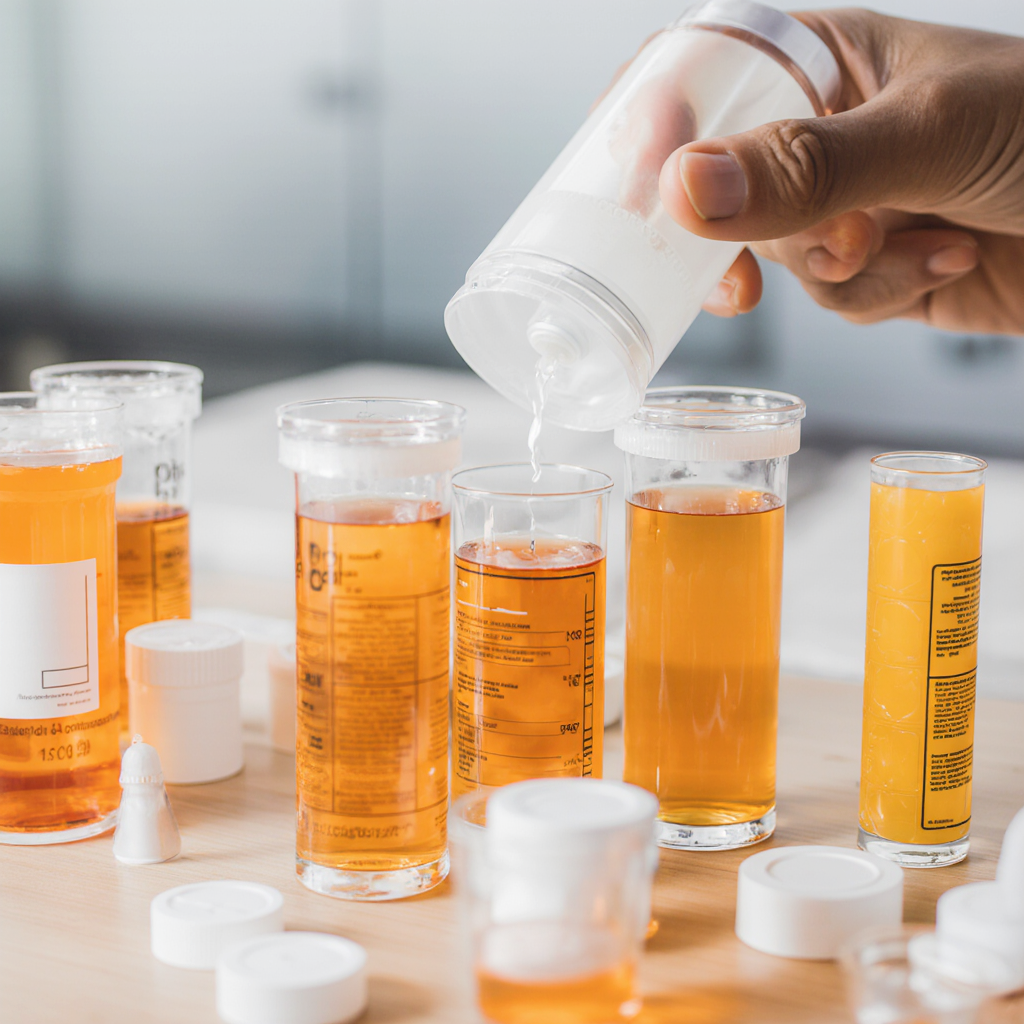
For small to mid-sized pharmaceutical manufacturers, the digital mandate is here. The Drug Supply Chain Security Act (DSCSA) isn't a future concern—it's a present reality, requiring complete unit-level serialization and interoperable, electronic track-and-trace across the supply chain. Coupled with the stringent data integrity rules of 21 CFR Part 11, manual processes and disjointed systems are no longer just inefficient; they are a direct compliance and business risk.
This is where dedicated pharmaceutical traceability software transitions from a strategic advantage to an operational necessity. This guide will walk you through the core challenges, the non-negotiable features of a modern solution, and how the right platform can turn regulatory compliance from a cost center into a foundation for growth and brand trust. Whether you need food or pharmaceutical traceability software, the core principles of batch tracking and serialization apply across industries.
Understanding the Core Challenge: Beyond Simple Tracking
Pharmaceutical traceability goes far beyond basic inventory management. It’s about creating an immutable, electronic pedigree for every single salable unit—from the receipt of raw materials to the dispensing to the patient.
The primary drivers are unequivocal:
- DSCSA Compliance: The law mandates serialized, interoperable traceability. Failure to provide accurate transaction data (T3: Transaction History, Information, and Statement) can result in products being deemed suspect and illegitimately distributed, leading to costly recalls and regulatory action.
- Patient Safety & Recall Precision: In the event of a recall, you need to identify and isolate affected batches within hours, not days. Granular traceability limits the scope of a recall, protecting patients and minimizing catastrophic financial and reputational damage.
- Operational Integrity & 21 CFR Part 11: Your electronic records must be trustworthy, reliable, and equivalent to paper records. This requires features like audit trails, electronic signatures, and system validation to ensure data is not altered or deleted.
For growing companies, the challenge is compounded. You need enterprise-level compliance capabilities without the complexity and cost of enterprise-scale systems designed for global giants.
Key Features of Modern Pharmaceutical Traceability Software
Not all solutions are created equal. When evaluating pharmaceutical track and trace software, look for these essential capabilities:
- End-to-End Serialization: The software should manage the entire serialization lifecycle—generating unique identifiers (like GTIN, Serial Number, Lot, Expiry), commissioning them onto packages (via integration with printing/packaging lines), and aggregating them from item to case to pallet.
- Interoperable Data Exchange: It must seamlessly create and receive the required Electronic Product Code Information Services (EPCIS) events and DSCSA transaction data, ensuring you can trade with all partners in your supply chain.
- 21 CFR Part 11-Ready Audit Trails: A built-in, automated audit trail that captures the who, what, when, and why of any critical data change is not optional. This should be inherent to the system's design, not a costly add-on.
- Integrated Quality Management: Traceability is most powerful when linked to quality events. The system should connect a suspect product directly to related quality deviations, Corrective and Preventive Actions (CAPAs), and supplier records for closed-loop root cause analysis.
- Cloud-Based Architecture & Scalability: A secure, cloud-based (SaaS) platform reduces the IT burden, ensures easier updates for changing regulations, and scales with your growth without major capital expenditure.
Introducing V5: Traceability Software Built for Your Scale
Navigating these requirements with spreadsheets or a generic system is a high-risk endeavor. This is precisely why we built V5 Manufacturing Traceability Software.
V5 is not a one-size-fits-all platform retrofitted for pharma. It is designed from the ground up to meet the specific regulatory and operational needs of small to mid-sized manufacturers. Here’s how it directly addresses the core challenges:
- Automated DSCSA Compliance: V5 manages serialization data and generates compliant T3 data packages for trading partners, turning a complex regulatory requirement into a streamlined, automated process.
- Inherent 21 CFR Part 11 Foundation: With electronic signatures, immutable audit trails, and role-based security, V5 ensures your electronic records are always inspection-ready.
- From Receipt to Dispatch: Achieve true lot-level and unit-level traceability. Track every ingredient and component through manufacturing, packaging, and into finished goods, all the way to shipment.
- Rapid Recall & Containment: In a crisis, pinpoint affected inventory in minutes. Generate precise recall reports based on any data point—lot number, serial number, or supplier—dramatically reducing risk and exposure.
How V5 Transforms Compliance from Burden to Advantage: For a growing generic drug manufacturer, implementing V5 automated their serialization data submission, reducing the process from a 3-day manual effort to a 30-minute automated task. More importantly, during a recent FDA audit, the investigator was able to independently trace a product's full history in the system in under two minutes, turning a potential scrutiny point into a demonstrated strength of their quality system.
Making the Strategic Choice: What to Look For
Choosing the right partner is as important as choosing the right features. You need a provider who understands the journey of a growing manufacturer.
- Assess Your Real Needs: Focus on the immediate DSCSA 2023+ requirements and 21 CFR Part 11, but ensure the system has a roadmap for future regulatory changes.
- Demand Validation & Support: The software should be validated for its intended use in a GxP environment. Equally crucial is the provider's support model—do they offer expert, regulatory-aware technical support?
- Evaluate Total Cost of Ownership: Look beyond the initial license. Consider implementation, validation, maintenance, and training. A cloud-based solution like V5 typically offers a predictable operational expense (OpEx) model versus a large capital outlay.
- Request a Live, Relevant Demo: Don't settle for a generic sales pitch. Ask for a demonstration that uses data and scenarios from your type of manufacturing (e.g., solids, sterile, biologics).
The Path to Confident Compliance Starts Here
The regulatory landscape will only grow more complex. Implementing a robust pharmaceutical traceability software system today is the most strategic step you can take to secure your supply chain, protect your patients, and safeguard the future of your business.
It's time to move from manual, stressful compliance to automated, confident control.
Ready to see how V5 can simplify your DSCSA and 21 CFR Part 11 compliance? Request a personalized, no-obligation demo tailored to your specific manufacturing and traceability challenges. See firsthand how a system built for your scale can deliver enterprise-level assurance.
Request Your Personalized Pharmaceutical Software Demo
SG Systems Global provides solutions for:
- Serialization and track & trace for pharma
- DSCSA compliance and exception handling
- Batch traceability from API to finished dose
- Integration with existing ERP systems